Migration
The Cuckoo That Disappears in June
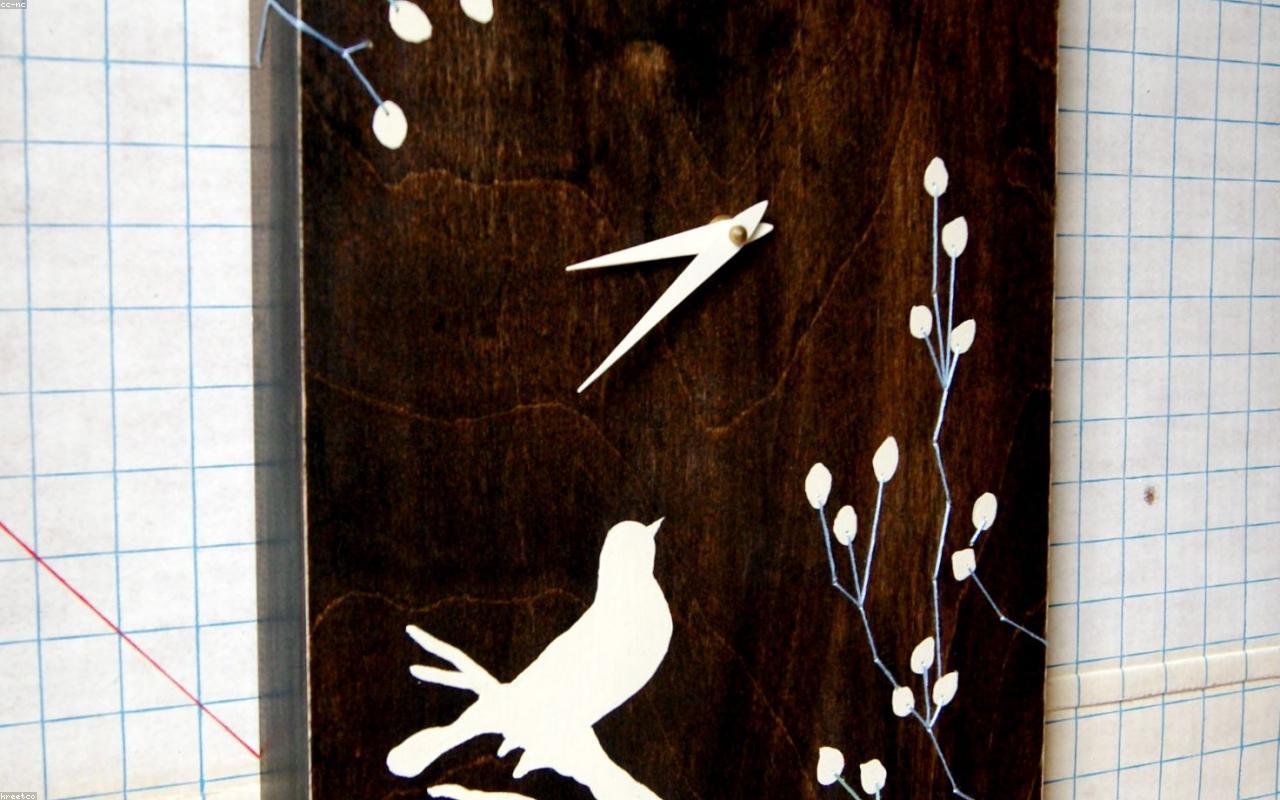
Satellite tracking has finally answered the oldest question in British ornithology, and the answer involves the Congo basin and a remarkable amount of bad luck.
Editor in chief
Edith Crale spent eighteen years at the Cornell Lab of Ornithology before founding Roost. She still counts at Sapsucker Woods on Saturdays.
Beats
Migration
Satellite tracking has finally answered the oldest question in British ornithology, and the answer involves the Congo basin and a remarkable amount of bad luck.
Species
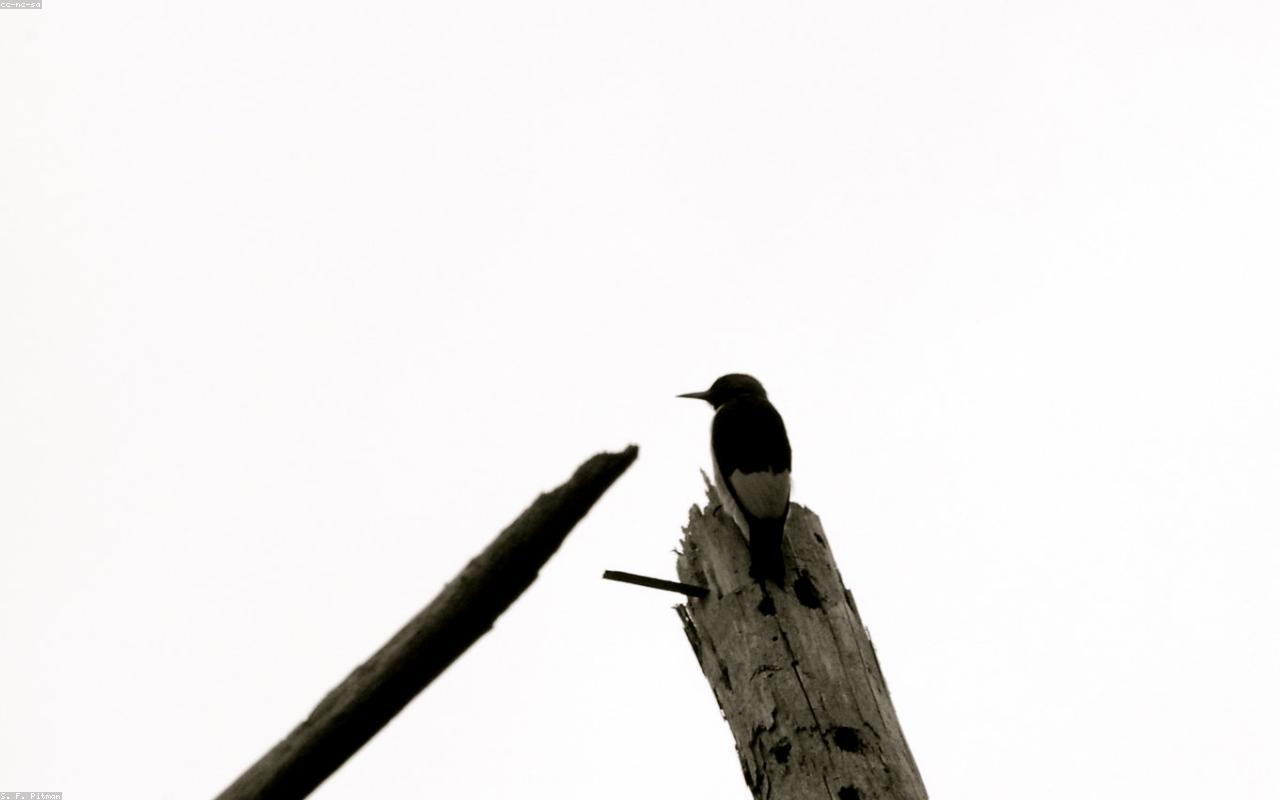
At Carolina Sandhills National Wildlife Refuge in early May, a family group of five red-cockaded woodpeckers worked four cavity trees within a hectare. The youngest helper bird at the cluster was a male hatched in 2024.
Endangered
On an island in the southern Indian Ocean, a fungal disease that nearly took a 170-pair seabird population is, after a decade of intervention, finally on the back foot.
Backyard
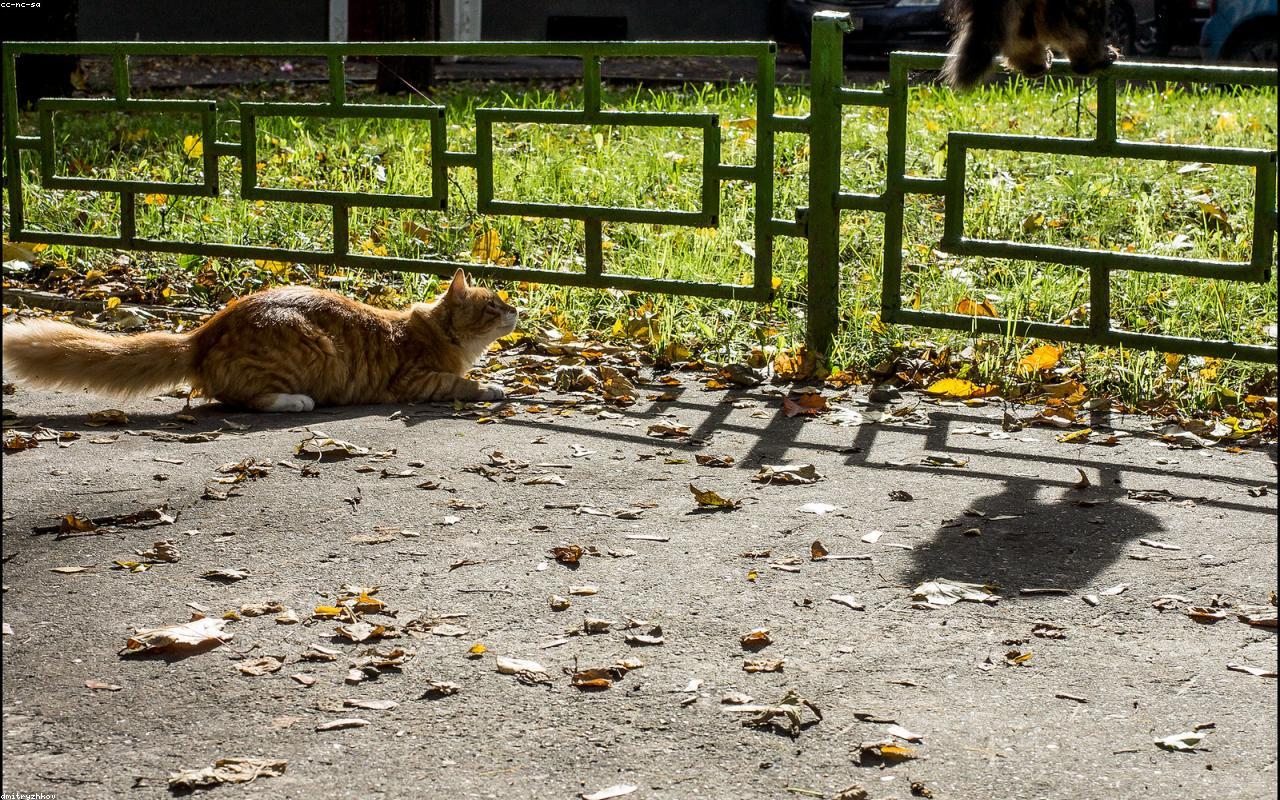
A camera-trap study in three Massachusetts towns put numbers to the household cat's contribution to backyard bird mortality. The numbers are not small.
Citizen Science
For two decades, NestWatch volunteers have produced one of the most detailed records of avian reproductive success in North America. Edith Crale visits a participant in upstate New York.
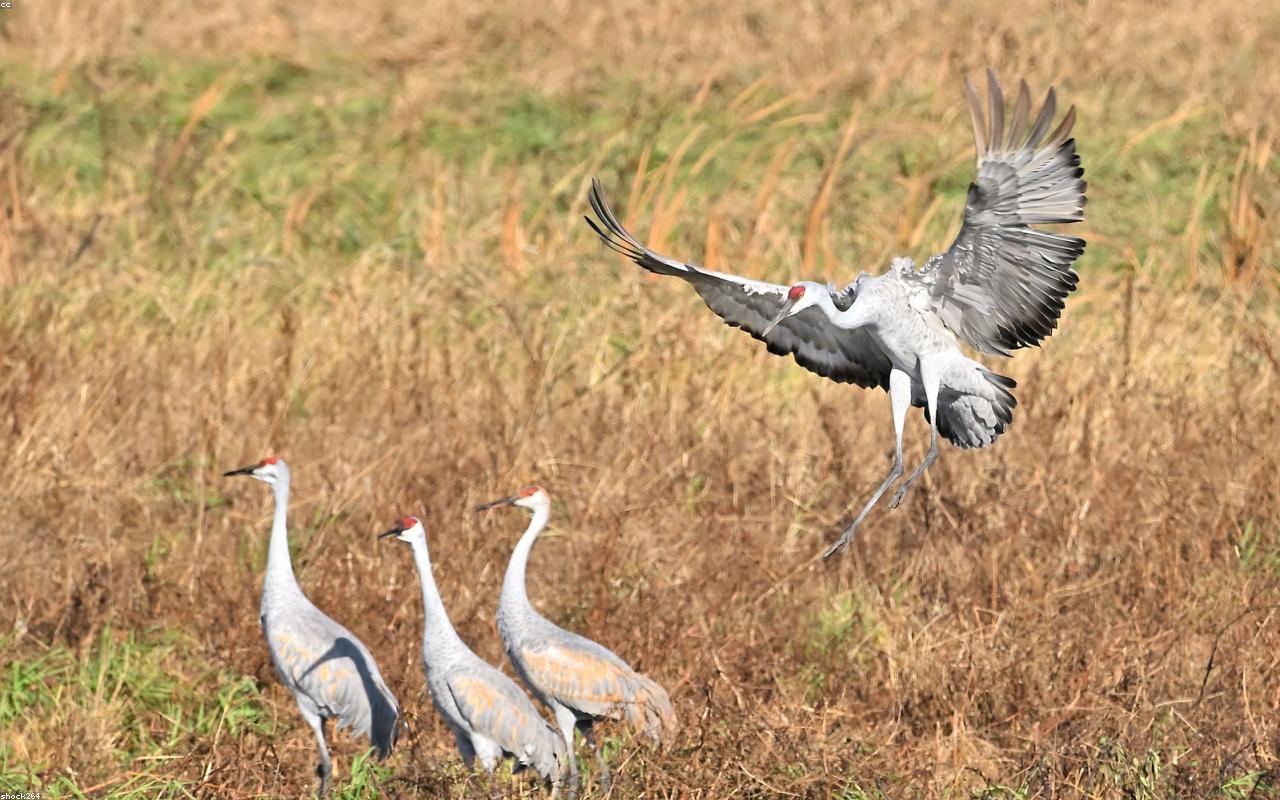
Field Reports
From the Rowe Sanctuary blind at 6:42 p.m., 78,000 sandhill cranes coming down to the river in a wind that smelled of wet snow.
Field Reports
The Higbee Beach dike at 5:42 a.m., a north wind, and the first wave of warblers dropping into the wax myrtle.
Habitat
Eighteen months after the last of four dams came down on the Klamath River, a slow-moving willow restoration is reshaping the riparian corridor and the bird community that depends on it.
Field Reports
Smith Oaks at 11:14 a.m. on a wet south wind, and the rose-breasted grosbeak in a hackberry that did not move for twenty minutes.
Backyard
Project FeederWatch has been asking the same question for thirty-eight winters. The answer is shorter than the seed aisle suggests.
Citizen Science
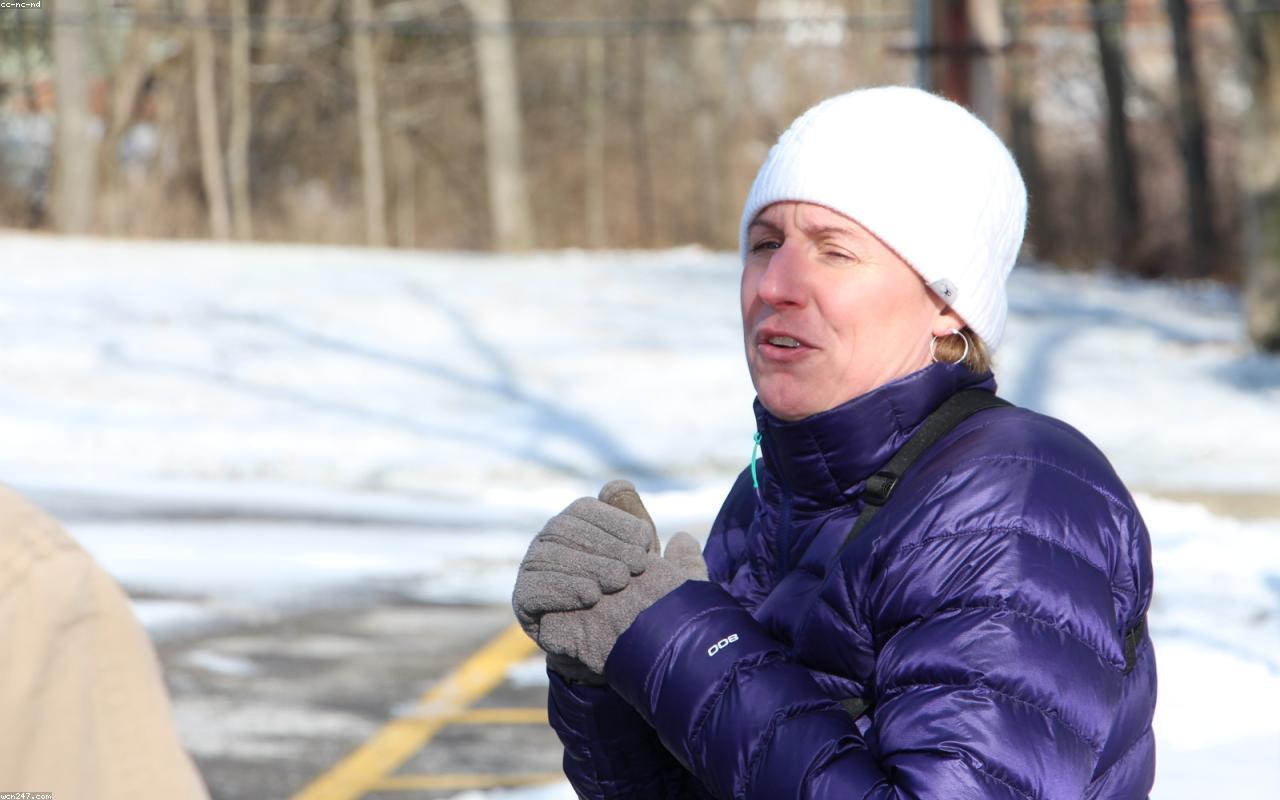
Frank Chapman started it in 1900 as an alternative to the holiday side-hunt. Edith Crale walks through what the count has become, and why its method still works.
Species
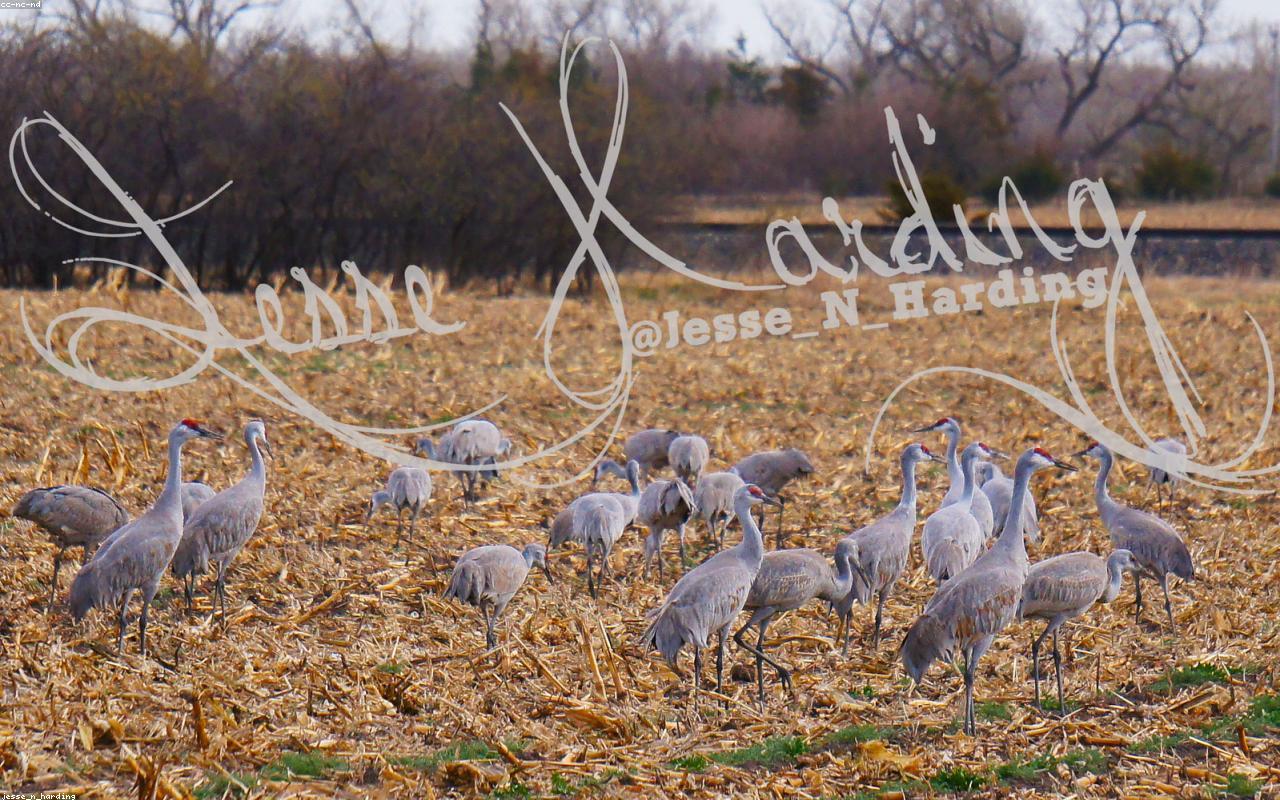
From the Rowe Sanctuary blind at 5:48 a.m. on March 22, the river was a continuous line of birds for a kilometre in either direction. The sound was not a call. It was a weather event.
Endangered
Inside the slow, helicopter-supplied recovery of a flightless parrot the Department of Conservation has spent thirty-one years dragging back from nine.
Migration
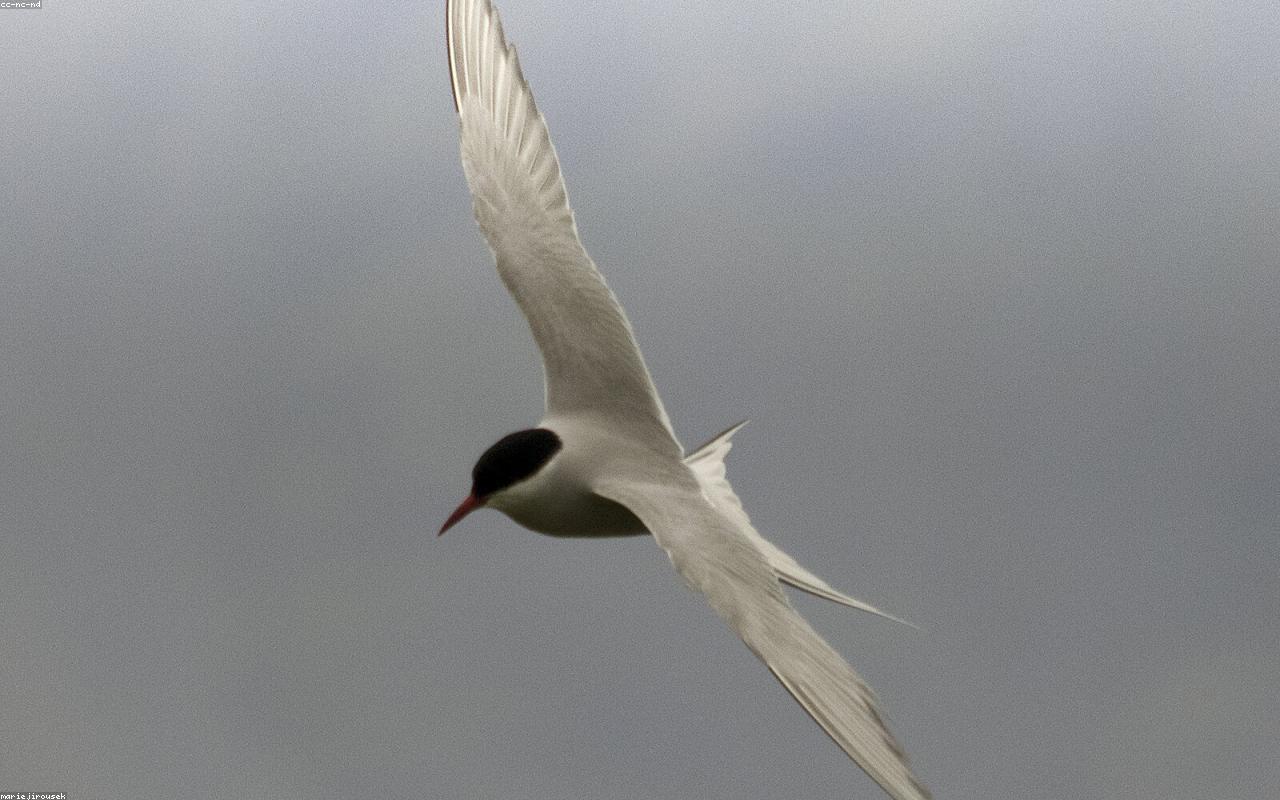
What a small geolocator attached to a 110-gram bird on a Farne Islands cliff has taught researchers about the longest migration on Earth.