Anahuac National Wildlife Refuge occupies 34,000 acres of coastal prairie, brackish marsh, and shallow impoundments along East Galveston Bay in Chambers County, Texas. The refuge was established in 1963, primarily for migratory waterfowl.
On the first Monday in May, the wind blew light from the south, ten knots, and the humidity stood at eighty-six percent. The temperature at 6:30 p.m. was seventy-four degrees. The marsh smelled of wet salt grass and crushed gulf cordgrass.
Refuge staff and a six-person volunteer crew were assembled at the Skillern Tract access road at 6:45. They wore knee-high rubber boots, long sleeves despite the heat, and headlamps with red filters clipped to their belts.
The work was a coordinated rail survey, the spring component of a long-running mark-recapture study coordinated by the Texas Parks and Wildlife Department's coastal nongame office. The protocol involves a controlled, slow walking sweep through prepared rail habitat at last light.
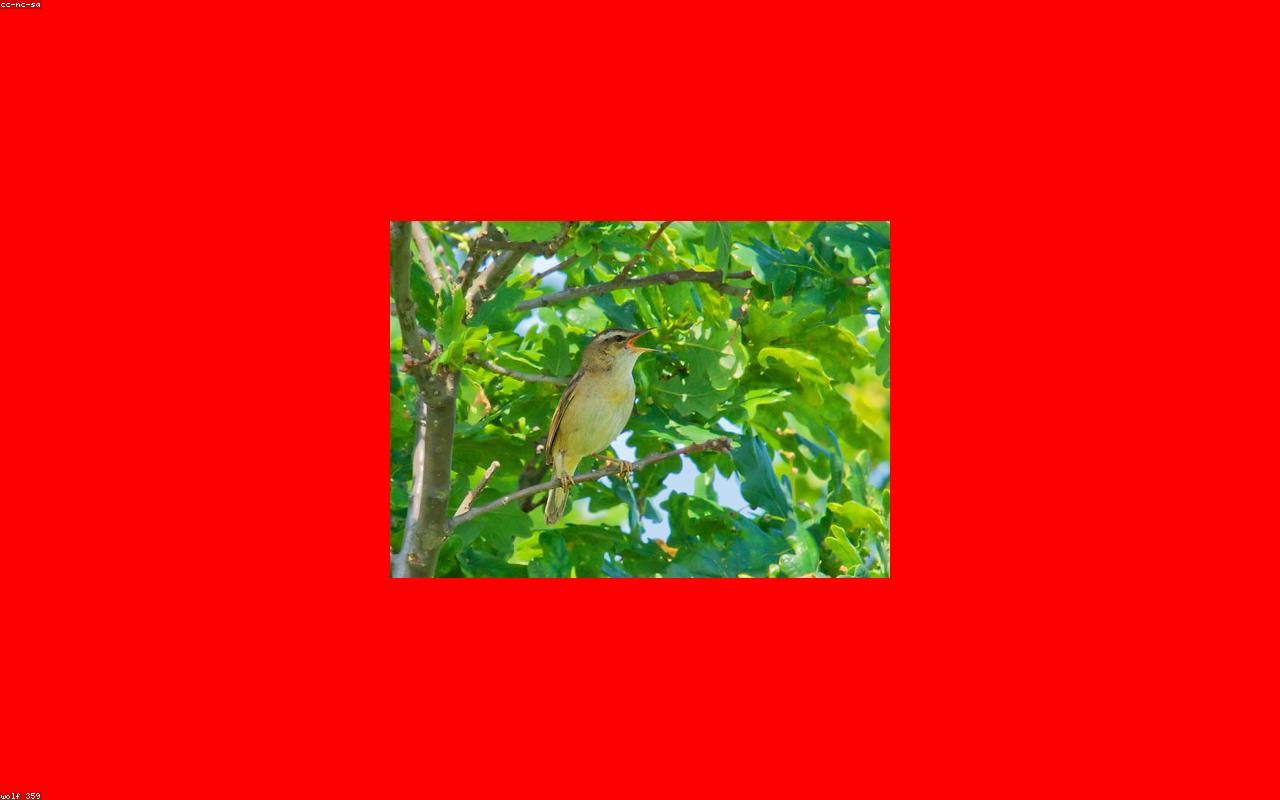
The yellow rail is one of the most secretive North American passerines, a small, ochre-and-black bird of wet sedge meadows that winters in coastal grasslands of the Gulf and breeds in the boreal wetlands of central Canada. Most birders go a lifetime without seeing one.
Anahuac's recently burned coastal prairie units, which the refuge manages on a three-to-five-year rotation, attract migrating yellow rails in concentrated numbers during their northbound spring passage in late April and early May.
The crew, led by refuge biologist Stephanie Bilodeau, walked in a loose line across a fifteen-acre burn unit at the western edge of the Skillern Tract. The walking pace was deliberately slow, perhaps three hundred yards in twenty minutes.
Birds flushed reluctantly from the burned-over sedge tussocks, often within a yard of the walker's boots. A yellow rail flushed from the line at 7:08, flew approximately twelve yards, and dropped back into cover. A second was flushed at 7:14.
By 7:30 the count of flushed yellow rails had reached eleven. Two sora and one Virginia rail were also flushed in the same sweep. Five rails were captured in soft mist nets set at the unit's downwind edge, processed quickly, and released.
The capture and banding process took roughly four minutes per bird. Each rail received a numbered federal aluminum band on the right tarsus, a measurement set, a weight reading, and a brief examination for body condition. The capture team handled the birds with the practiced economy of a crew that had done this work many times.
Bilodeau's team has worked the Anahuac yellow rail surveys since 2006. The cumulative dataset of captured and recaptured birds now includes over 1,400 individual rails, with several individuals recaptured in two or three subsequent springs at the same site.
What the dataset has demonstrated, beyond reasonable doubt, is that individual yellow rails return to the same stopover sites along the Texas coast year after year. The species is faithful to its migration geography in a way that earlier ornithologists had suspected but could not document.
Bilodeau, processing a bird at the tailgate of a refuge truck under a red headlamp, explained the protocol to Inara Khan, who had come from Mumbai on a research visit to compare U.S. coastal marsh management to similar work she had been doing in the Mahim Creek wetlands.
The headlamp light was kept red to preserve dark adaptation and to minimize stress on the birds. The work continued in near-total darkness once full night had fallen at 8:14.
The marsh held a steady chorus of sound. Clapper rails, never the target of this survey, called from the deeper salt marsh to the south. Least bitterns called occasionally. Roseate spoonbills, settled for the night, made low contact calls from a willow snag in the middle distance.
By 9:00 the crew had completed three sweeps of the burn unit. Twenty-four yellow rails had been flushed. Eleven had been captured, banded, measured, and released. Three of the captures were recaptures from previous spring seasons.
Pell Murphy, who had driven from Asheville the previous day to observe the survey as part of his ongoing Citizen Science section, made notes on the process at the back of the truck. He asked Bilodeau a series of questions about the cooperative funding model.
The work is supported by a combination of Texas Parks and Wildlife coastal program funds, a small Joint Venture grant, and volunteer hours that, valued at standard rates, exceed the direct cash budget for the project several times over.
Most of the volunteers were return participants. A retired oilfield engineer from Beaumont, a college student from Lamar University, a husband-and-wife pair from Friendswood who had worked the survey since 2011, and two graduate students from the University of Texas at Austin.
By 10:30 the survey was complete. The crew packed up. The mist nets were taken down and rolled with care into mesh bags. The data sheets, in plastic clipboards, were placed in the truck's center console for entry the following day.
The drive back along the refuge access road was made in convoy, the trucks' headlights illuminating a thin coastal mist that had begun to rise off the impoundments. A barn owl crossed the road silently in front of the lead vehicle.
The work continues for another six nights in this rotation. The crew will document, on average, sixty-five to ninety yellow rail captures across the spring survey. The data will inform site-management decisions for the next year's prescribed burns.
By the time the trucks pulled into the refuge headquarters at 11:14, Khan was already drafting questions in her notebook for the long conversation with Bilodeau the following morning. The Anahuac protocol, she wrote, was the kind of work that would, with adaptation, transfer to the salt marshes she was trying to keep alive at home.