On the morning of April 14, fourteen people met at a gravel pull-off near I'On Swamp, north of Charleston, and walked single-file into a patch of restored Arundinaria gigantea that had been cleared and replanted by a private land trust in 2018.
They were there to remember a bird none of them had ever seen.
Bachman's warbler, Vermivora bachmanii, was first described in 1832 by John James Audubon from specimens collected by his friend John Bachman near this exact set of swamps. It was a small olive-and-yellow songbird that nested in southeastern canebrakes and wintered in the forests of Cuba.
The last universally accepted North American sighting was in 1988, near Louisiana's Bayou Sara. The last reliable Cuban record was 1981. The American Ornithological Society does not yet list the species as extinct. Most field ornithologists do.
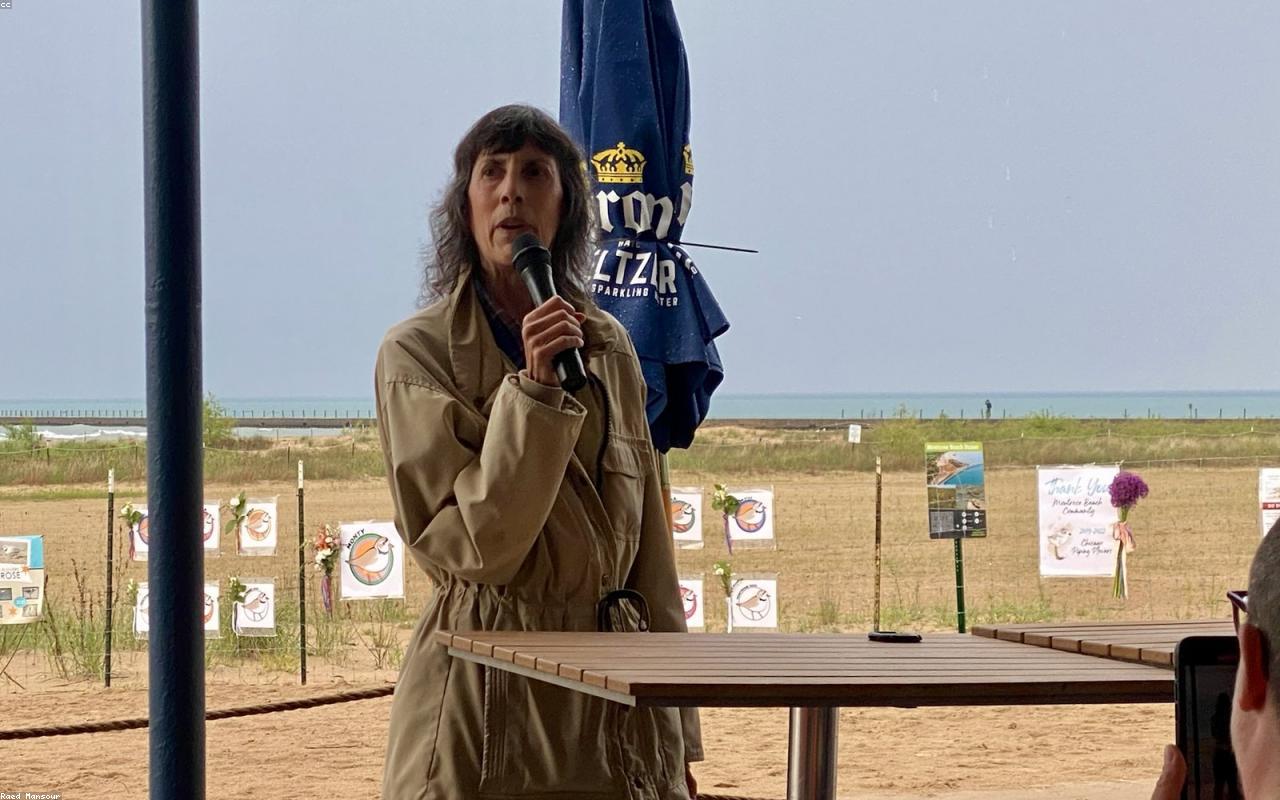
Dr. Halsey Pruitt, an ecologist at the College of Charleston who has spent eighteen years studying canebrake restoration, organised the memorial. She did not call it that on the flyer. She called it a walk.
The fourteen attendees included a retired postmaster from Hollywood, South Carolina, who had heard the bird in 1962 as a teenager and was no longer certain whether the memory was real or constructed; a graduate student from the University of Georgia working on cane-dependent invertebrates; and a couple from Asheville who had driven down at four in the morning.
The walk began at 7:50. The temperature was 58 degrees. A prothonotary warbler sang from a tupelo at the edge of the cane, and several attendees recorded it on phone audio, more out of reflex than purpose.
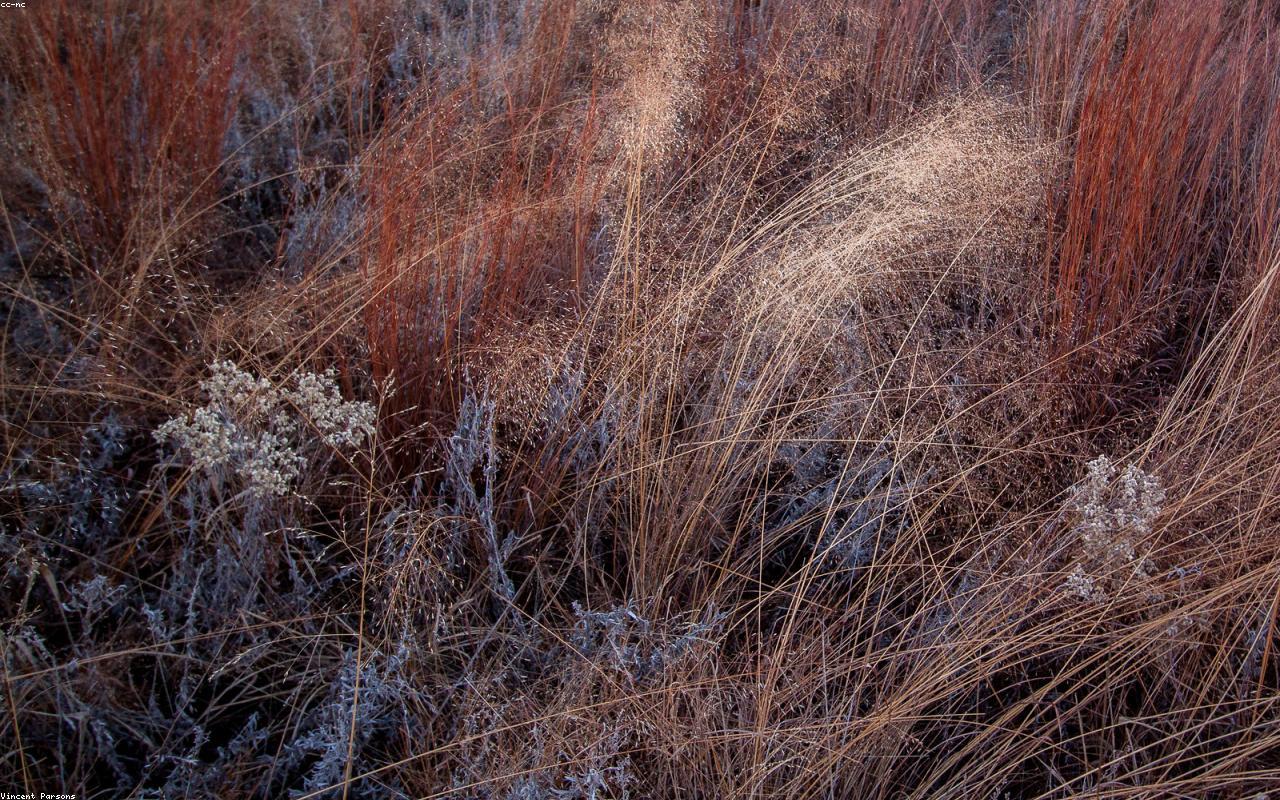
Pruitt explained the canebrake. Before European settlement, the southeastern coastal plain held continuous tracts of giant cane that ran in some places for miles. The brakes were burned periodically by lightning and by Indigenous people. After 1750 they were grazed, cleared, and drained out of existence.
By 1950, the brakes were gone in any meaningful sense. The bird that depended on them, which was already uncommon and probably always had been, ran out of habitat at roughly the same speed it ran out of winters in Cuba.
There is a small literature of arguments about whether Bachman's warbler was ever as common as Audubon's collecting suggested. Lester Short, writing in 1969, thought the species had been a cane specialist with a small natural population. Paul Hamel, working from the 1970s onward, thought it had been more abundant than the record showed but had collapsed quickly and quietly.
Neither hypothesis can be tested. There is no specimen younger than 1962. There are no recordings of the song, though there are competing reconstructions based on John V. Dennis's brief 1954 transcription.
The walk took two hours. The group moved slowly, stopped frequently, and at one point stood in a clearing for eleven minutes listening to nothing in particular. A black-and-white warbler sang. A pileated woodpecker called from across a slough.
Pruitt did not deliver a speech. At the turnaround point, she read aloud the field note Bachman wrote on July 1832, describing the type specimen, in which he expressed mild puzzlement that the bird was not better known.
She then read the 1988 Louisiana note by an unnamed birder, which described two males singing in adjacent cane patches and which a reviewer later annotated with the words probable but not confirmed.
Nobody spoke for some minutes after.
The walk back was quieter. A few of the attendees stopped to photograph the restored cane, which is doing what cane is supposed to do, which is grow in dense impenetrable monoculture and provide habitat for several dozen invertebrate and vertebrate species that depend on it.
None of those species, as far as anyone knows, is Bachman's warbler.
The memorial walk is now in its sixth year. Attendance has ranged from six people to twenty-three. Pruitt intends to hold it as long as her health and the lease on the parcel hold.
She told the magazine, walking back to the cars, that the function of the walk is not commemoration in the religious sense. It is the practice of remembering well enough that the next species we lose, of which there will be several, is not lost in silence.
The canebrakes will outlast the people working to maintain them. Whether they will eventually be reoccupied by anything resembling Bachman's warbler is a question the field has, by general consent, stopped asking.