On the south edge of an undeveloped parcel in Painesville, Ohio, a retired biology teacher named Frank Coletta maintains a brush pile that is now in its fourteenth year of accumulation. It measures roughly twelve feet in diameter at the base, stands about seven feet tall at the centre, and consists of every fallen branch from his three-quarter-acre lot since 2012, plus the Christmas tree from each of those years, laid on the south side to fill in the gaps.
The pile is not pretty. Coletta's neighbours, when they ask about it, are generally not asking out of admiration. He has, over the years, developed a short and patient explanation that he repeats without embellishment. The brush pile is the single most valuable habitat feature on his property, and he is not taking it down.
The Ohio Division of Wildlife's Wildlife in the Backyard guide, last updated in 2024, lists the brush pile as the number one recommended habitat improvement for small properties. The cost is zero, assuming the property generates fallen wood. The labour is what the homeowner would do anyway when clearing storm debris. The benefit, measured in species supported and individuals sheltered, exceeds any single planting decision.
The mechanism is shelter. Most small backyard birds — sparrows, wrens, juncos, towhees, the cardinals that roost low — need dense low cover within a few feet of the ground to survive winter nights and predator attacks. The mature shrub borders of older properties provide this. The bare lawns of newer properties do not. The brush pile fills the gap.
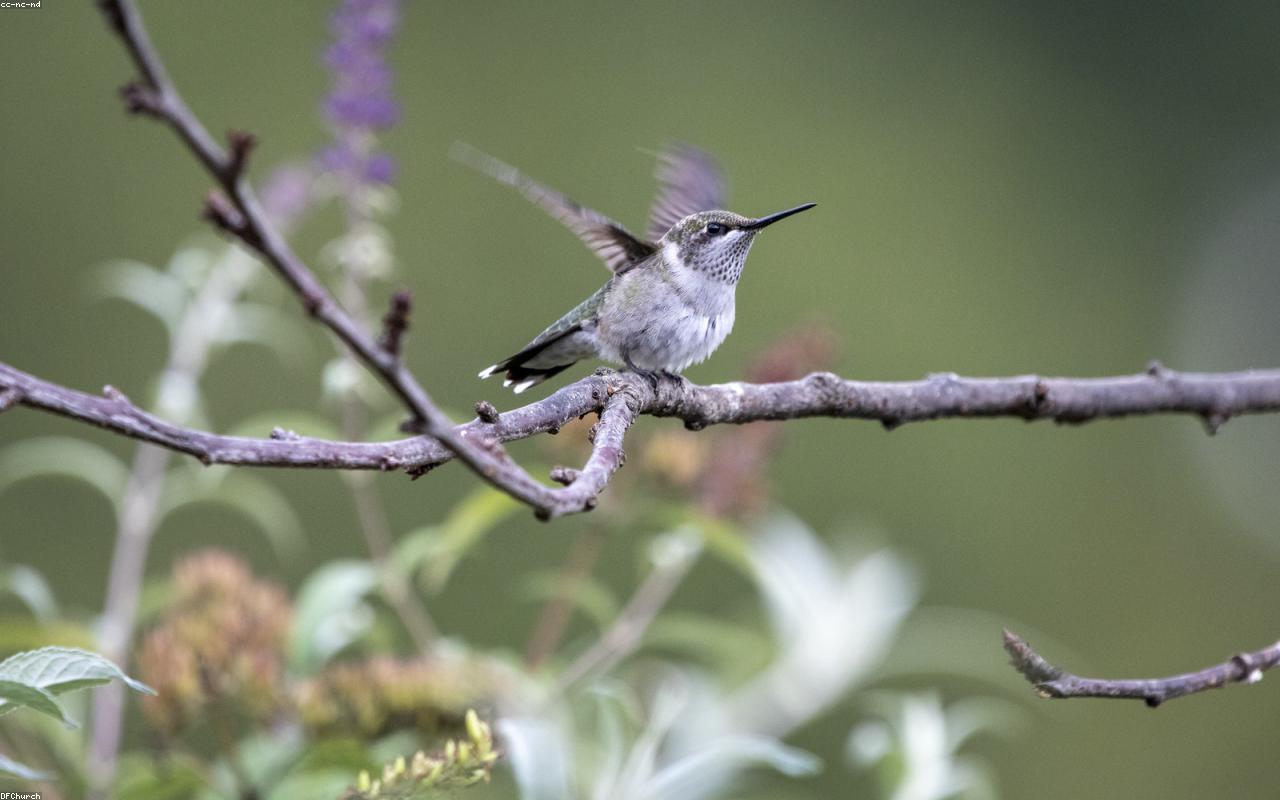
Coletta's pile, by his Project FeederWatch records, hosts a confirmed eleven species as regular winter roosters. The list includes song sparrow, white-throated sparrow, american tree sparrow, dark-eyed junco, carolina wren, house wren in summer, northern cardinal, eastern towhee, brown thrasher, gray catbird, and the occasional fox sparrow in heavy snow.
The construction of an effective brush pile is unfussy. The North American Wildlife Foundation's standard recommendation, replicated in most state wildlife agency guides, is to start with three or four large logs laid in a cross-hatched pattern at ground level. These create the open chambers at the base where larger birds can shelter. On top of the base layer go progressively smaller branches, with twiggy material toward the centre and longer woody branches toward the outside.
The pile should be at least six feet in diameter to be functional. Smaller piles are decorative. Below six feet, the interior thermal mass is insufficient to buffer against extreme cold, and the structural integrity does not persist through a winter of ice and snow loading.
Coletta adds material twice a year — once in late autumn, after the last leaves fall and he has done his seasonal pruning, and once in spring after storm season. He does not remove anything. The bottom of the pile composts slowly into soil. The top accumulates. The middle, where most of the bird use occurs, stays roughly constant.
He has also, over the years, deliberately added a few features the basic plan does not call for. A small section of corrugated plastic roofing, laid horizontally about three feet up inside the pile, creates a dry chamber that the carolina wrens have used as a winter roost for at least six years. A length of three-inch PVC pipe, capped at one end, provides a nest cavity for house wrens in May.
The pile is sited about thirty feet from his largest feeder cluster, which is the standard recommendation. Close enough that birds disturbed at the feeder can reach cover within a few wing-beats. Far enough that the pile itself does not become a focal point for cooper's hawks looking for ambush positions.
There is a small but real fire-risk question that deserves direct mention. A dry brush pile is combustible. Coletta's property is in a part of northeast Ohio where wildfire risk is essentially zero outside of an extreme drought year, and his pile is well away from his house and from his neighbour's. In drier climates — much of the western United States — the brush pile is not appropriate at any size within thirty metres of any structure.
The aesthetic question is the more common one in practice. The brush pile reads, to many suburban eyes, as evidence of neglect. Coletta's strategy has been twofold. First, he sites his pile in the back third of his property, screened from the street by a row of viburnums. Second, when neighbours ask, he tells them what it is.
His most useful intervention, by his own account, was a small hand-painted sign he installed in 2018 reading 'wildlife brush pile — please do not disturb.' The sign is not strictly necessary, but it has substantially reduced the number of conversations he needs to have, and it has converted three neighbouring households to install their own piles over the past five years.
The brush pile interacts well with other habitat features. A pile placed adjacent to a native shrub border creates a layered structure — dense brush at the centre, twiggy shrubs around it, open lawn or meadow beyond — that mimics the natural ecotone where many songbirds are most abundant. The pile placed alone in a mowed lawn still works, but works less well.
Coletta has done one small piece of measurement that bears on this. In the winter of 2022, he installed a thermal data logger inside the pile and a second one in the open air about ten feet away. Across the coldest week of that January, when overnight air temperatures reached -8°F, the interior of the pile never dropped below 18°F. A bird sheltered inside the pile was experiencing temperatures 26 degrees warmer than a bird in the open.
The metabolic implications of that difference are not subtle. A 20-gram song sparrow at 18°F is burning calories at perhaps a third the rate of the same bird at -8°F. The bird in the pile survives the night. The bird in the open may not, particularly if it is a juvenile or has not fed well during the short winter day.
Coletta is 76 and has begun to think about what happens to the pile when he stops being able to maintain it. His daughter, who inherited the house adjacent to his, has agreed to take it over. The pile will continue. The wrens will continue.
There is no elegant close to a piece about a heap of branches in a corner. The brush pile is the least photogenic habitat intervention available to the backyard birder, and it is among the most effective. It costs nothing. It uses material the homeowner would otherwise dispose of. It supports more individual birds, and more species, than any feeder of comparable footprint.
If the goal is to support birds in winter, the order of operations is reasonably clear. Plant native shrubs. Put up a heated water source. Manage the cat. And, in whatever corner of the yard the neighbours will tolerate, leave a pile of branches alone and let it work.